AI Term of the Moment
MTIA
Definition: generative AI
(1) For product commercials, see synthetic media.
(2) AI software that generates original content from a text prompt alone or text prompt and uploaded media (image, audio or video). Generative AI became wildly popular in the early 2020s, and many chatbots and dedicated image generators do the job; for example, see ChatGPT, Stable Diffusion and DALL-E.
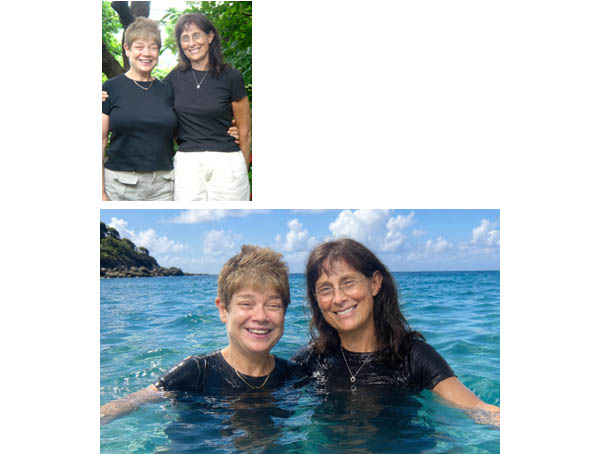

In the Ocean or on a Horse


Everyone's Gotten Into It
(2) AI software that generates original content from a text prompt alone or text prompt and uploaded media (image, audio or video). Generative AI became wildly popular in the early 2020s, and many chatbots and dedicated image generators do the job; for example, see ChatGPT, Stable Diffusion and DALL-E.
AI chatbots can do everything from writing an essay to transposing photos like these ChatGPT examples. The ocean looks real but the desert does look a bit fake. Too many details in the request to change the image can make the results more obvious that they are not real.
Even Microsoft's Paint program, a staple for decades, added generative art in 2023. Offering eight artistic styles, these images of a "happy computer" were created using Pixel Art (top) and Oil Painting (bottom).